From Shoeboxes to Algorithms
The Virtues of Modern Cloud and AI Accounting

Not too long ago, the phrase "doing the accounts" conjured up a specific image: cardboard shoeboxes and plastic bags overflowing with paper receipts, endless stacks of paper, fifty or so double entry ledgers, and a huge headache before each tax deadline.
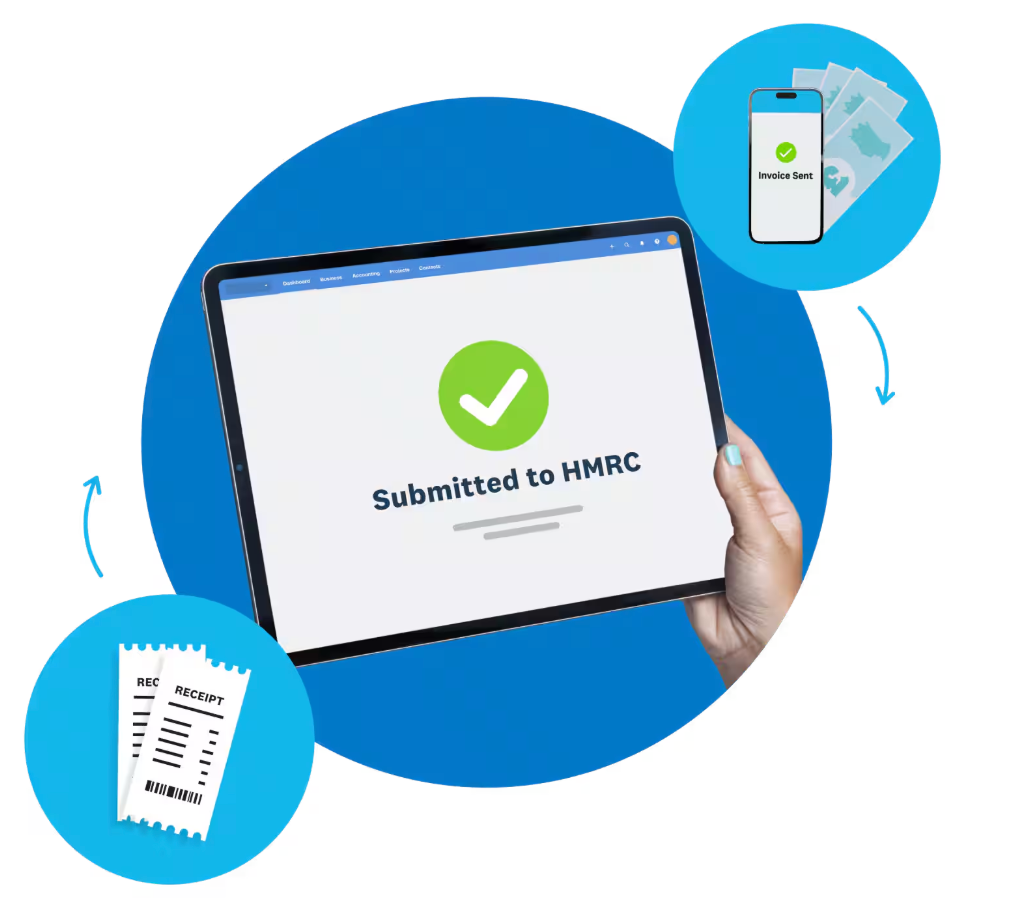
Today, financial management looks and even feels fundamentally different. The combination of cloud accounting and artificial intelligence (AI) has shifted bookkeeping from a backward-looking administrative burden into a real-time strategic advantage.
1. Real-Time Financial Visibility vs Year-End Surprises
- Pre-Cloud Era: Business owners often operated in the dark. Financial statements were drawn up months after the end of a quarter or financial year, meaning a search for bank statements and missing receipts, critical business decisions were made using historical, out-of-date numbers.
- The Modern Era: Platforms like Xero connect directly to live bank feeds. Business leaders can open an app on their phone at any given moment to check cash flow, track open invoices, and view live profit-and-loss balances.
2. Automated Efficiency vs Manual Ledger Entry
- Pre-Cloud Era: Every single invoice, transaction, and receipt had to be manually typed into spreadsheets or desktop software. The process was slow, monotonous, and prone to simple human errors like transposed digits.
- The Modern Era: Optical Character Recognition (OCR) and machine learning tools captures data directly from photos of paper receipts or digital PDFs and matches them to bank transactions and bills. AI algorithms learn and remember business sales and expenditure and automatically categorise expenses and match incoming bank transfers against outstanding invoices—reducing hours of data entry to a quick review and acceptance.
3. Intelligent Anomaly Detection vs Reactive Audits
- Pre-Cloud Era: Mistakes—or duplicate supplier payments—were usually spotted weeks later during manual reconciliation, or worse, flagged during a formal tax inspection.
- The Modern Era: Built-in AI routines actively monitor transaction streams for anomalies. They flag potential duplicate payments, alert you to unusual spending patterns, and automatically prompt for missing receipt attachments before a return is even drafted.
4. Seamless Collaboration vs Desktop File Juggling
- Pre-Cloud Era: Working with an external accountant meant saving data onto USB drives, emailing static spreadsheets back and forth, or making in-person visits with physical files—hoping no one was editing an outdated version of the master document.
- The Modern Era: Secure multi-user cloud access allows business owners, internal teams, and external advisors to work in the exact same ledger at the same time. Your accountant can review live tax estimates or assist with complex transactions in real time, without interrupting daily operations.
The Verdict
Cloud accounting provides access to data from anywhere; AI provides the intelligence to process that data instantly. Moving away from traditional, fragmented accounting methods isn't just about saving time on admin, it's about gaining full control over your business’s financial future.
Are you interested in getting to grips with AI in your business, specifically your accounting processes? Visit our FAQs page to get an overview of cloud accounting and AI and how Oblako can help.
Looking to upgrade your financial toolkit? Contact us to learn how we can integrate cloud systems like Xero into your business operations to help you harness the power of AI, and free up time better spent on growing your business.